
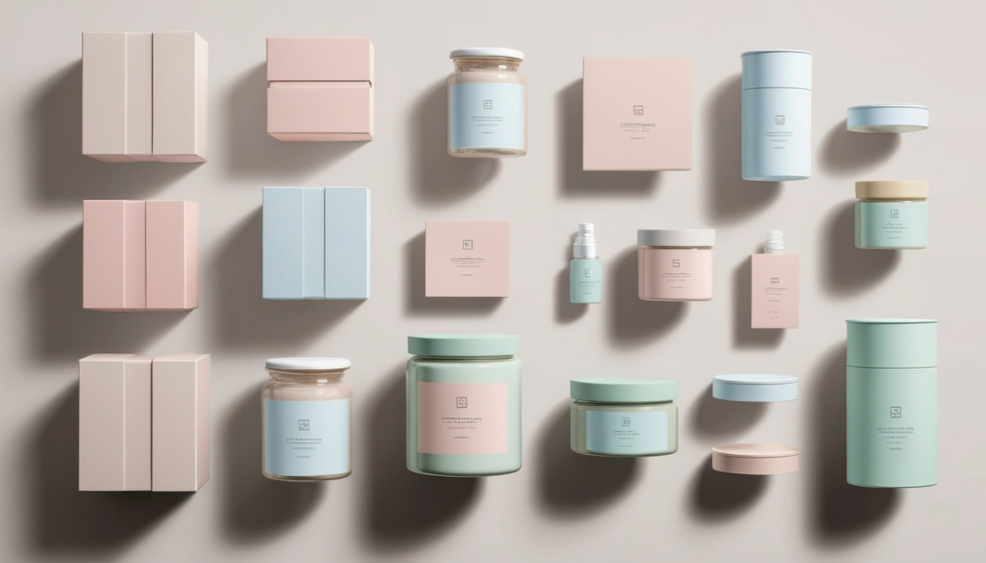
Did you know that skincare packaging materials can make or break the effectiveness of your favorite products? The active ingredients in many skincare formulations like vitamin C and retinol actually degrade when exposed to light and air, significantly reducing their potency.
This is precisely why the packaging of skin care products isn’t just about esthetics. In fact, the right product packaging serves as the first line of defense against atmospheric factors such as air, light, heat, and moisture that can deteriorate the quality of your formulations. When we consider what product packaging truly is from a scientific perspective, it’s essentially a preservation system that can extend a product’s shelf life up to 2-3 years when properly designed. Therefore, understanding how to choose the right packaging isn’t just helpful it’s essential for maintaining product stability, longevity, and safety.
Throughout this guide, we’ll examine various product packaging examples that effectively protect sensitive ingredients, explain the science behind material selection, and provide you with practical tips to ensure your skincare products remain as effective on day 100 as they were on day one.
Why Packaging Matters for Active Ingredients
The connection between skincare packaging materials and product effectiveness runs deeper than most realize. Packaging serves as the critical barrier between delicate formulations and a world full of destabilizing elements.
How packaging protects sensitive compounds
Proper packaging creates a protective shield that maintains the potency and texture of active ingredients throughout a product’s lifespan. Unlike food or household items, skincare formulations contain complex compounds that remain highly reactive to environmental factors. The packaging must not only contain the product but actively preserve its efficacy.
For natural and clean formulations, this protection becomes even more crucial. Unlike conventional cosmetics with synthetic stabilizers, natural products rely on simpler, purer compositions that offer health benefits but pose greater preservation challenges. Without proper packaging, these products can degrade rapidly, losing their therapeutic properties before reaching your skin.
Quality packaging accomplishes several protection functions simultaneously:
- Preventing oxidation of sensitive ingredients
- Blocking harmful UV radiation that degrades actives
- Maintaining optimal temperature conditions
- Creating barriers against moisture and microbial contamination
- Ensuring precise, hygienic dispensing
Common threats to skincare formulas
Understanding what endangers your skincare products helps explain why packaging selection matters so profoundly. Several environmental factors can compromise formula integrity:
Firstly, exposure to oxygen causes oxidation, particularly damaging to plant oils and antioxidants. Additionally, UV and light exposure accelerate molecular breakdown of ingredients like vitamin C and retinol.
Temperature fluctuations present another serious threat. During distribution and storage, thermal stress frequently triggers accelerated decomposition and contamination. Unfortunately, most consumers remain unaware of decomposition until it reaches advanced stages.
Inappropriate pH levels can fundamentally alter the chemical structure of active ingredients, while interactions with incompatible packaging materials may lead to leaching of unwanted compounds into formulas.
Moreover, bacterial contamination from improper handling threatens both product efficacy and user safety. Without appropriate packaging safeguards, even carefully formulated products can become breeding grounds for microorganisms.
The consequences of these threats extend beyond wasted products degraded formulations can cause irritation, reduced effectiveness, and in some cases, potential health risks.
Key Packaging Features That Preserve Potency
From protective UV barriers to innovative airless systems, certain packaging features stand out as game-changers for preserving active ingredients in skincare products.
UV and light protection
Many skincare formulations suffer rapid degradation when exposed to light especially those containing retinol, vitamin C, and natural plant extracts. The solution lies in specialized packaging that blocks harmful rays. Colored containers in amber, cobalt blue, or green provide significant protection by filtering out light that would otherwise trigger oxidation.
For enhanced protection, manufacturers incorporate UV absorbers directly into packaging materials. Benzophenones are among the most common UV absorbers used in skincare packaging, with different variants selected based on product compatibility. These compounds effectively shield products from the ultraviolet range of 290 to 390 nanometers.
Airless and vacuum-sealed systems
Perhaps the most significant advancement in skincare packaging materials is the airless dispensing system. These innovative containers utilize a non-pressurized vacuum technology that protects formulations from air exposure and contaminants.
The key benefit? By minimizing contact with oxygen, these systems significantly reduce the risk of oxidation, which can degrade active ingredients and decrease product effectiveness. Two main technologies dominate this space:
- Piston systems featuring a sealed mechanism that rises progressively with each use
- Flexible pouch systems that gradually compress without allowing air re-entry
Remarkably, this technology extends shelf life while reducing the need for chemical preservatives ideal for clean beauty formulations.
Moisture barrier technologies
Moisture represents another critical threat to formulation stability. Advanced barrier technologies include:
- Bio-based barriers derived from plant sources that provide high moisture resistance while being fully compostable
- Mono-material solutions made from single recyclable materials like PET or PP
- Specialized coatings that deliver exceptional moisture barrier properties (WVTR)
These technologies create comprehensive protection for sensitive ingredients across multiple industries, ensuring they remain potent until application.
The science behind packaging selection continues to evolve, with sustainable options increasingly offering the same protective benefits as traditional materials without environmental drawbacks.
Choosing the Right Packaging Materials
Selecting appropriate materials for skincare packaging involves balancing protection, functionality, and esthetics. Each material option presents unique benefits and limitations that directly impact the efficacy of active ingredients.
Glass vs. plastic vs. aluminum
Glass remains the gold standard for premium skincare formulations, primarily because it’s chemically inert and doesn’t react with formulas. Its impermeability to oxygen and excellent UV protection (especially in amber or cobalt blue varieties) makes it ideal for preserving sensitive ingredients. Nevertheless, glass comes with drawbacks it’s heavy, fragile, and more expensive to ship.
Plastic offers versatility and affordability. PET (polyethylene terephthalate) stands out for its chemical resistance, making it suitable for formulas with high acid levels. Polypropylene, both recyclable and BPA-free, works excellently for squeezable applications. However, certain plastics may interact negatively with active ingredients over time, potentially compromising formula integrity.
Aluminum provides an impressive middle ground lightweight yet durable, with excellent barrier properties against light, air, and moisture. Furthermore, its recyclability makes it increasingly popular for brands seeking sustainable options.
Chemical compatibility with active ingredients
Compatibility between packaging and formulation significantly impacts product safety and efficacy. Incompatible materials can trigger chemical reactions leading to:
- Color changes or discoloration of packaging
- Migration of harmful substances into the product
- Physical changes like cracking or stress fractures
- Decreased potency of active ingredients
For products containing retinol, vitamin C, or peptides, packaging must protect against both environmental factors and potential chemical interactions. Consequently, acrylic and glass containers have dominated the market due to their superior compatibility with active ingredients.
Examples of product packaging that work well
Several packaging innovations have proven highly effective for preserving active ingredients:
- Airless pumps with spring mechanisms that prevent air reentry, ideal for antioxidant serums
- Aluminum airless bottles achieving 50% plastic reduction while maintaining product integrity
- Dark-colored glass with electroplating coating for light-sensitive formulations
- Single-dose ampoules that minimize exposure to air and contaminants
Functional skincare products specifically benefit from these advanced packaging technologies, as they typically contain higher concentrations of active ingredients that require additional protection.
Practical Tips for Selecting Skincare Packaging
Selecting the ideal packaging for skincare products requires balancing several critical factors beyond just appearance. Let’s explore practical considerations that can dramatically extend product effectiveness.
Match packaging to product type
Different skincare formulas demand specific packaging solutions for optimal protection. For instance, serums work best with glass dropper bottles that offer precision and shield against light, whereas oils benefit from pipette droppers or roller applicators that provide controlled dosing. Likewise, creams and balms maintain integrity in airless pumps or jars with spatulas, considering both hygienic concerns and ease of application. For light-sensitive formulations, dark containers with electroplating coating offer superior protection.
Consider user experience and dosage control
Beyond protection, packaging must enhance user interaction. Functional design should address practical concerns how the container feels in hand, dispensing ease, and closure security. Properly designed packaging also prevents wasteful dispensing, which increases product loss and customer dissatisfaction. Airless pumps deliver precise amounts while minimizing contamination, plus ergonomic grips facilitate easier opening for users with dexterity limitations.
Look for sustainable and recyclable options
Given that 80% of beauty product consumers believe the industry should reduce plastic packaging, eco-friendly options have become essential rather than optional. Glass remains infinitely recyclable without quality loss, followed by mono-material packaging that simplifies recycling processes. Additionally, refillable systems extend product lifecycle while reducing waste.
Understand what is product packaging from a functional view
From a functional perspective, packaging serves as a comprehensive protection system against external threats. Stability, compatibility, and safety remain paramount, particularly with formulations containing active ingredients. This includes providing UV protection for light-sensitive products, ensuring material compatibility with ingredients like retinol, and incorporating appropriate dispensing systems that prevent contamination.
Conclusion
Selecting the right packaging for skincare products represents a critical decision that extends far beyond esthetics. Above all, proper packaging serves as the essential defense system that preserves active ingredients against degradation from light, air, moisture, and temperature fluctuations. Without adequate protection, even the most powerful skincare formulations quickly lose potency and effectiveness.
The science behind packaging selection continues to advance, offering increasingly sophisticated solutions. Airless pumps, dark-colored glass containers, and specialized barrier technologies now provide unprecedented protection for sensitive compounds like vitamin C, retinol, and natural extracts. Therefore, understanding the specific vulnerabilities of your formulations will guide you toward the most appropriate packaging choices.
Material selection likewise plays a fundamental role in product preservation. Glass offers superior inertness but adds weight and fragility. Alternatively, specialized plastics provide versatility at lower cost, while aluminum strikes a balance between protection, durability, and sustainability. Most importantly, chemical compatibility between packaging and ingredients must remain a primary consideration to prevent unwanted reactions that compromise product integrity.
Additionally, practical factors such as user experience, dosage control, and environmental impact deserve careful attention. Consumers increasingly expect packaging that feels good in hand, dispenses product efficiently, and aligns with sustainable values. Fortunately, the packaging industry has responded with innovations that satisfy these demands while maintaining exceptional protective qualities.
The next time you purchase or develop a skincare product, take a moment to appreciate the sophisticated engineering behind its container. After all, even the most revolutionary formula can only deliver results when properly protected until the moment of application. Ultimately, thoughtful packaging selection ensures your skincare investments deliver their promised benefits from first use to last drop.