
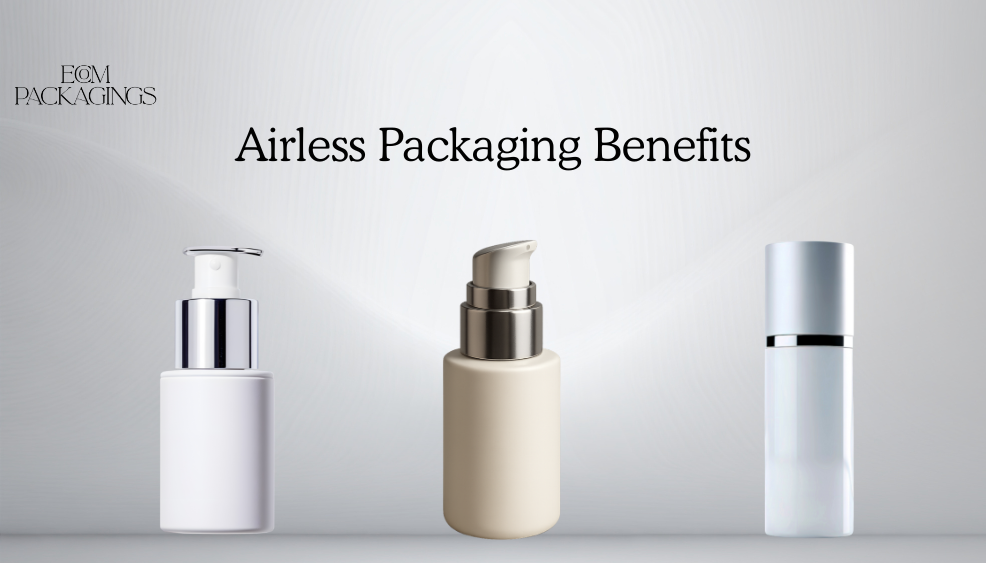
Did you know that skincare products lose up to 70% of their effectiveness after frequent exposure to air and contaminants? This alarming statistic highlights why airless packaging benefits have become a critical consideration for brands of all sizes in the beauty industry.
When we look at the evolution of skincare containers, it’s clear why airless pump packaging has gained tremendous popularity. Unlike traditional packaging, airless skincare packaging prevents oxidation by eliminating air exposure, helping products stay stable longer. Additionally, these innovative containers can dispense up to 95% of the filled product, significantly reducing waste. Though we primarily focus on skincare applications here, the benefits of airless systems extend to other industries as well.
In this article, we’ll explore whether investing in airless packaging is truly worth the cost for small brands. We’ll examine how this technology protects formula potency, improves hygiene, and ultimately enhances consumer trust. After all, the shift toward airless packaging isn’t merely driven by esthetics—it’s about performance, cost control, and building customer loyalty.
Why Traditional Packaging Fails Modern Skincare
Traditional skincare packaging may look elegant on your vanity, but it harbors serious flaws that compromise both product integrity and your skin’s health. Modern formulations with powerful active ingredients demand better protection than conventional containers can provide.
Contamination from repeated use
Every time you open a jar of cream, you’re introducing potential contaminants. Despite washing your hands, it’s virtually impossible to keep fingers completely clean when dipping into products. This repeated contamination introduces unwanted microorganisms into your skincare products. Moreover, bacteria and fungi found in contaminated cosmetics include harmful strains like Streptococcus, Pseudomonas, and even E. coli.
This contamination issue doesn’t just affect product safety—it actively degrades beneficial ingredients by stressing the preservative system. Essentially, traditional jars become less hygienic with each use, creating a perfect environment for microbial growth, particularly in warm, humid bathroom settings.
Oxidation of active ingredients
The most powerful skincare ingredients are often the most fragile. Research shows that antioxidants, vitamin C, and retinol break down rapidly when exposed to air. Unfortunately, each time you open a jar or bottle, oxygen initiates chemical reactions that degrade these active components.
L-ascorbic acid (vitamin C), a popular anti-aging ingredient, quickly oxidizes and turns yellow or brown upon exposure to air, moisture, light, or heat. Similarly, plant-based oils develop unpleasant odors and darker colors when repeatedly exposed to oxygen. This oxidation process fundamentally alters product appearance, texture, and—most importantly—efficacy.
Product waste and poor user experience
Traditional packaging creates frustrating product waste. Studies show residue amounts vary dramatically between packaging types, with some leaving up to 23.29% of product inaccessible. Pump dispensers with high-viscosity products often trap significant amounts due to tube length and design limitations.
This waste doesn’t just hurt consumers financially—it impacts recycling efforts since residues contaminate the recycling process. Furthermore, these product remnants can negatively influence near-infrared detection during sorting and decrease recyclate quality.
The combined problems of contamination, oxidation, and waste make traditional packaging increasingly unsuitable for today’s sophisticated skincare formulas—particularly those featuring high-performance active ingredients that demand better protection.
How Airless Pump Packaging Works
Unlike traditional dispensers, airless packaging operates on a completely different mechanical principle. These innovative systems utilize specialized technology to protect formulations from contamination while maximizing product delivery.
Piston-based vs. soft bag systems
Airless packaging typically employs one of two core technologies: piston-based or flexible pouch (bag-in-bottle) systems. In piston-based designs, a sealed platform at the container’s base rises progressively each time product is dispensed. This upward movement maintains constant pressure on the formula, creating a vacuum effect that prevents air from entering.
Alternatively, bag-in-bottle systems feature a flexible inner pouch that gradually collapses as product is dispensed. The space between this collapsible bag and the rigid outer container allows for controlled compression without air introduction. While piston systems excel at precise dosing and can dispense up to 95% of the product, bag-in-bottle designs offer complete product isolation—making them ideal for highly reactive or unstable ingredients.
No air backflow after dispensing
The genius of airless packaging lies in its ability to create an airtight environment. Instead of traditional dip tubes that allow air to replace dispensed product, airless pumps utilize vacuum pressure to push formulations upward. This vacuum seal activation forces product through the nozzle while simultaneously preventing external air from entering the container.
Consequently, the internal environment remains completely sealed, protecting formulations from oxidation throughout their entire usage cycle. This no-backflow technology represents a major advancement for preserving ingredient potency.
Ideal for thick creams and serums
Airless systems excel at handling high-viscosity formulations that typically clog conventional pumps. The vacuum-based dispensing mechanism creates sufficient pressure to move even thick creams and serums smoothly through the nozzle.
This capability solves common issues with traditional packaging where viscous products often get trapped or dispensed unevenly. Additionally, the precision mechanism ensures consistent, measured doses with every pump, making airless packaging particularly valuable for luxury formulations containing active ingredients like vitamin C, retinol, or botanical extracts.
Key Benefits of Airless Skincare Packaging
The remarkable value of airless packaging becomes apparent as soon as you analyze the practical advantages it offers skincare brands. From formula protection to user experience, these containers deliver multiple benefits that justify their growing popularity in the beauty industry.
Preserves ingredient potency
Airless packaging effectively prevents oxidation by creating a vacuum seal that eliminates air exposure. This protection is especially critical for formulas containing antioxidants, retinol, and vitamin C, which rapidly degrade when exposed to oxygen. For instance, L-ascorbic acid (vitamin C) maintains its potency significantly longer in airless containers compared to traditional packaging where it quickly oxidizes and loses effectiveness. This preservation of active ingredients ensures that products deliver their intended benefits from first use to last.
Extends shelf life without heavy preservatives
Because airless systems limit exposure to external contaminants, they naturally extend product longevity. This protection allows brands to reduce chemical preservatives by up to 30% in many formulations. For consumers with sensitive skin or those seeking “clean beauty” options, this reduction represents a major advantage. The sealed environment creates a natural barrier against microbial growth, enabling formulas to remain stable and effective for extended periods without relying on harsh preservative systems.
Improves hygiene and reduces contamination
The touchless dispensing mechanism of airless packaging eliminates the need to dip fingers into products, dramatically reducing bacterial contamination risk. Unlike traditional jars where repeated exposure introduces microorganisms, airless systems keep formulations completely isolated from external contaminants. This protection is especially valuable for products without heavy preservatives or those marketed as “natural” alternatives.
Minimizes product waste
Airless packaging enables near-complete product evacuation—up to 95-99% of the formula can be dispensed, compared to only 70-80% with traditional packaging. The rising piston or collapsing bag mechanisms ensure that virtually every drop reaches the consumer. This efficiency not only provides better value but also reduces packaging waste overall.
Delivers consistent dosage
Each pump of an airless container dispenses a precise, measured amount of product. This consistency helps consumers apply the correct quantity without guesswork or waste. Particularly for potent formulas like serums or treatments containing active ingredients, this controlled dispensing ensures optimal results.
Enhances brand perception
Finally, airless packaging often elevates brand image through its premium look and functionality. Research shows consumers associate airless systems with higher quality formulations and innovative companies. This perception enhancement can justify price premiums and strengthen customer loyalty, especially in the competitive skincare market.
When Is Airless Packaging Worth It for Small Brands?
Small brands face tough decisions about packaging investments, balancing upfront costs against long-term benefits. For many emerging skincare companies, airless packaging presents an appealing yet expensive option—one that requires careful consideration before implementation.
High-performance or active-rich formulas
Formulations containing sensitive ingredients like vitamin C, retinol, or peptides practically demand airless protection. These active ingredients degrade rapidly when exposed to air, with vitamin C serums in traditional bottles oxidizing three times faster than those in airless containers. If your brand specializes in preservative-free products or natural formulations, airless technology provides a critical barrier against oxidation. This protection becomes even more valuable considering that airless systems can maintain potency for 12+ months versus just 3-6 months in conventional packaging.
Targeting premium or sensitive-skin markets
Research indicates that 65% of luxury skincare products now utilize airless pump bottles, reflecting consumer expectations in premium segments. For brands targeting sensitive skin markets, airless packaging offers a compelling advantage—it eliminates the contamination concerns that trouble 72% of users who worry about bacterial transfer in jar-style containers. French brand Sisley, for example, selected Aptar Beauty’s airless technology specifically for its sensitive skin line, benefiting from advanced protection against microbial contamination.
Balancing cost with reduced returns and complaints
Although initially more expensive, airless packaging often pays for itself through extended shelf life and improved customer satisfaction. Estée Lauder reported a 35% reduction in customer complaints about spoiled products after adopting airless pumps. Similarly, Drunk Elephant saw 22% fewer returns after switching to airless packaging for their peptide cream. These statistics represent tangible cost savings that offset higher packaging investments, particularly important for small brands where each return impacts the bottom line.
Eco-conscious branding and refillable options
Increasingly, airless packaging incorporates sustainable features that align with conscious consumer values. Refillable airless systems can reduce plastic waste by 42g per unit, appealing to environmentally aware customers. Many manufacturers now offer options with post-consumer recycled (PCR) materials or recyclable components. Notably, refillable airless bottles extend primary packaging lifespan—customers replace only the inner cartridge while keeping the outer container, significantly reducing overall waste.
Conclusion
Airless packaging clearly offers significant advantages for skincare brands concerned about product integrity and customer satisfaction. Throughout this article, we’ve seen how these innovative systems protect formulations from contamination while extending shelf life and preserving the potency of delicate ingredients. Undoubtedly, the ability to dispense nearly all product content represents a substantial improvement over traditional packaging options.
Small brands face tough decisions when weighing upfront costs against long-term benefits. However, the evidence suggests that airless packaging often pays for itself through fewer returns, reduced complaints, and improved customer loyalty. This becomes especially true for brands formulating with active ingredients like vitamin C, retinol, or those targeting sensitive skin markets.
Additionally, the emergence of eco-friendly options addresses sustainability concerns, making airless packaging increasingly aligned with conscious consumer values. Refillable systems particularly stand out as solutions that balance premium quality with environmental responsibility.
We believe the question “Is airless packaging worth the cost?” depends largely on your brand positioning and formulation needs. Brands focused on premium markets, active ingredients, or sensitive skin solutions will likely see the greatest return on investment. Conversely, brands with simple, stable formulations might find traditional packaging sufficient for their current needs.
The shift toward airless systems reflects broader industry recognition that packaging does more than simply contain a product—it actively preserves quality, communicates brand values, and shapes the overall customer experience. Therefore, small brands should consider airless packaging not merely as a cost, but as an investment in product integrity and customer satisfaction. After all, the true value lies not just in initial sales but in creating trusted products that perform consistently from first use to last.
FAQs
Q1. What are the main advantages of airless packaging for skincare products? Airless packaging preserves ingredient potency, extends shelf life, improves hygiene, minimizes product waste, and delivers consistent dosage. It also protects formulas from oxidation and contamination, making it ideal for products with active ingredients.
Q2. How does airless packaging work? Airless packaging uses either a piston-based or soft bag system to create a vacuum seal, preventing air from entering the container. When product is dispensed, the mechanism pushes the formula out without allowing air to flow back in, maintaining an airtight environment.
Q3. Is airless packaging worth the cost for small skincare brands? For small brands with high-performance formulas, targeting premium markets, or focusing on sensitive skin products, airless packaging can be worth the investment. It can lead to reduced returns, fewer customer complaints, and improved product longevity, potentially offsetting the initial higher costs.
Q4. Can airless packaging help reduce the use of preservatives in skincare products? Yes, airless packaging can help reduce preservative use by up to 30% in many formulations. The sealed environment creates a natural barrier against microbial growth, allowing products to remain stable for longer periods without relying on harsh preservative systems.
Q5. Are there eco-friendly options available for airless packaging? Many manufacturers now offer airless packaging with sustainable features, such as refillable systems and components made from post-consumer recycled materials. Refillable airless bottles can significantly reduce plastic waste and extend the lifespan of primary packaging.